
- Knowledge
- Case study
- Medtech
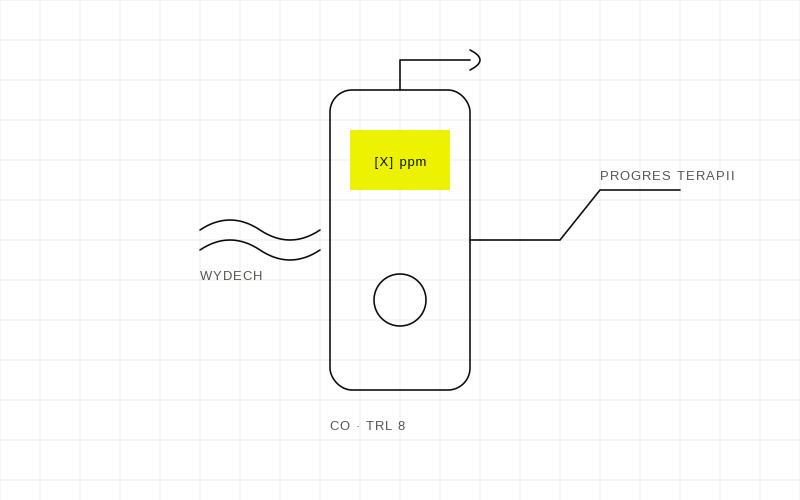
Medical device for measuring CO in exhaled breath. Medtech · United Kingdom
Contents
A medtech client needed a device for measuring carbon monoxide (CO) in exhaled breath to support therapy for people quitting smoking. exa22 ran the project from technology analysis, through mechanics, electronics, DSP algorithms and the cloud, to production documentation for 250 units per month. Result: TRL 8.
Client and project goal
The client was developing a therapy for heavy smokers and needed a tool that shows the patient’s progress objectively. Measuring carbon monoxide in exhaled breath gives the clinician hard data instead of the patient’s self-report.
Goal: a precise, energy-efficient medical device that measures CO in exhaled breath, sends the results to the cloud and meets medical certification requirements.
Challenge
- Measurement accuracy. The analogue signal path of the CO sensor must give repeatable readings and be immune to interference in a medical environment.
- Medical certification. The electronics, cloud and documentation must meet CE standards for medical devices and legal requirements.
- Power and reliability. The device runs on a battery, so every milliamp and every calibration counts.
Scope of work
- Analysis of the technology and solutions available on the market
- Mechanical design and injection moulding technology studies
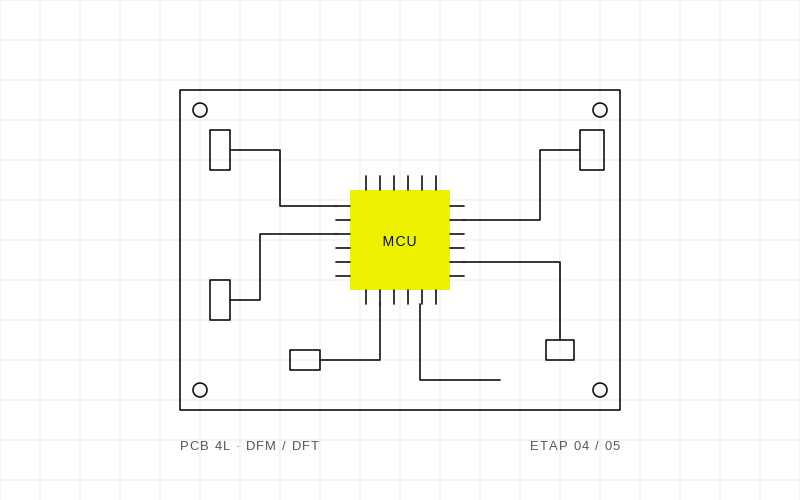
- PCB design with precision analogue signal paths for the CO sensor
- DSP algorithms: noise filtering and result interpretation
- Cloud for data aggregation with tokenisation and encryption
- Prototypes and three Release Candidate units with calibration tests
- EMC pre-compliance testing and CE conformity tests
- Production documentation for 250 units per month
Technical solution
The device combines a precision measurement path with on-device signal processing and a cloud that collects data from many units. The algorithms flag when calibration or sensor replacement is due.
| Element | Solution |
|---|---|
| Mechanics | CAD design for injection moulding |
| Measurement | precision analogue signal paths for the CO sensor |
| Processing | DSP algorithms: noise filtering, result interpretation |
| Cloud | data aggregation from multiple devices, tokenisation and encryption |
| Service | calibration and sensor replacement alerts |
| Power | lower consumption, longer battery life |
| Compliance | EMC pre-compliance · CE |
Table 1. Key elements of the device. Highlighted row = solution to the main challenge.
Results
- A new therapy tool. The clinician gets an objective measure of the patient’s progress.
- Remote monitoring. Results from many devices go to a single cloud, prepared for future AI algorithms.
- Less servicing. The device itself reports when calibration or sensor replacement is due.
- Scalability. DFM documentation enables the move to series production.
Summary
The project covered the full cycle: from market and technology analysis, through mechanics, electronics, DSP and cloud, to compliance testing and production documentation. The client received a TRL 8 device, ready for series production.


 LinkedIn

Got a bold project? Let’s check whether it can be built.
The first step is a conversation with an engineer. We’ll discuss requirements, technical risks and where to start.
We reply within 1 working day.
See more of our work.
VroX22: an IoT platform for vending machine networks.
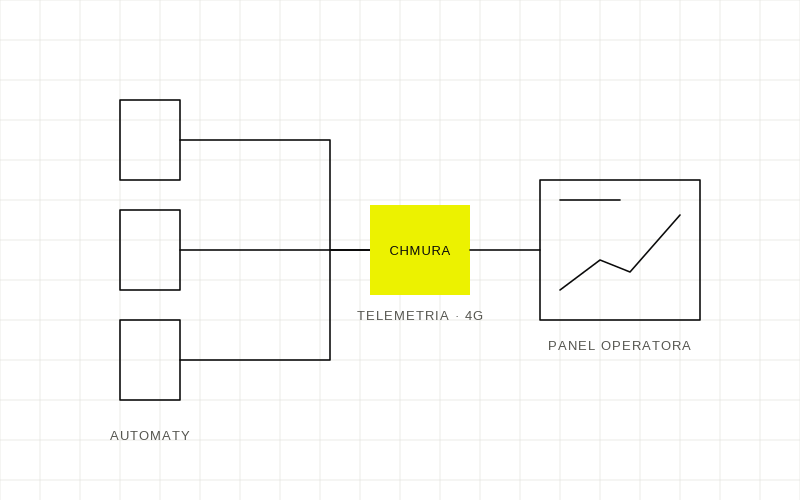
An IoT platform for remote management of vending machine networks, with redundant GSM connectivity and immunity to interference.
Power bank rental station network.
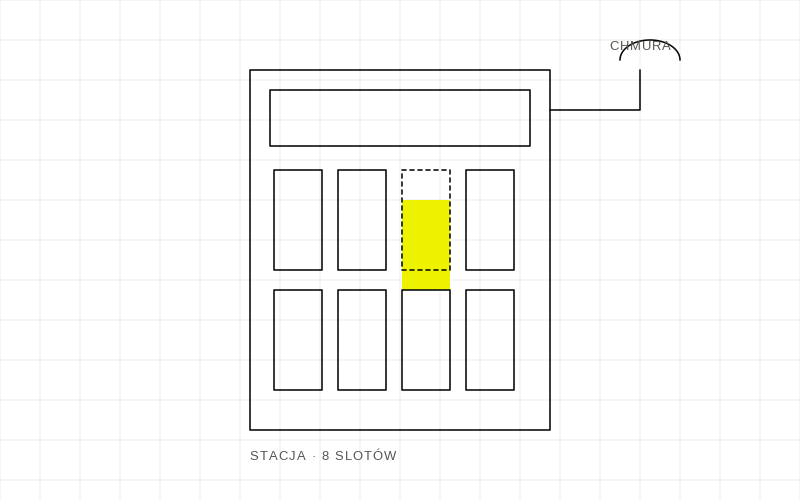
A mechatronic system for automated power bank rental and return in a single cloud-managed network.
MCU electronics platform for a family of 3D printers.
A controller for three 3D printer models, with remote print monitoring and predictive maintenance.
Engineering notes once a month.
New case studies, blog posts and lessons from the EMC lab. Choose a topic and get only what is relevant to you.